

16 Axe Styles Every Outdoorsman Should Know
Have you ever had to dig a hole with a square shovel? Or rake leaves from the lawn with a metal rake? Or, even worse, weed a garden with a shovel? Then you know what it’s like to not have the right tool for the job. When it comes to axes, there are a variety of styles that you’ll want to know.
If you haven’t followed Storm The Shores for very long, we hope you will — and you’ll need to know a few different axe types for our monthly challenges. Axe craft is a great way to get outdoors, hone your skills, and connect with a timeless craft. So let’s get you up to speed on some of the most useful and iconic styles of axes out there.
Hewing Axe (Broad Axe)
The hewing axe is commonly also found as a hatchet. What makes this axe unique is that only one side of the blade is beveled and the blade is offset from the handle, making it perfect for cutting logs into planks or flattening beams. Woodworkers still use hewing hatchets and axes today to shape raw logs into square timbers the old-fashioned way.
.jpg)
Double Bit Axe
The double bit axe looks like your classic Paul Bunyan tool, with two cutting edges opposite each other. With a long handle and serious heft, it’s great for chopping lumber and making kindling. Typically, one edge is ground sharper for felling trees, while the other is left slightly duller for splitting.
Tomahawk
The tomahawk is lightweight, fast, and versatile — kind of like the multitool of the axe world. Originally used by Native American tribes, it became a favorite among trappers and frontiersmen for throwing, skinning, and camp work. Today, tomahawks are equally at home in a throwing range or strapped to a pack for field use.
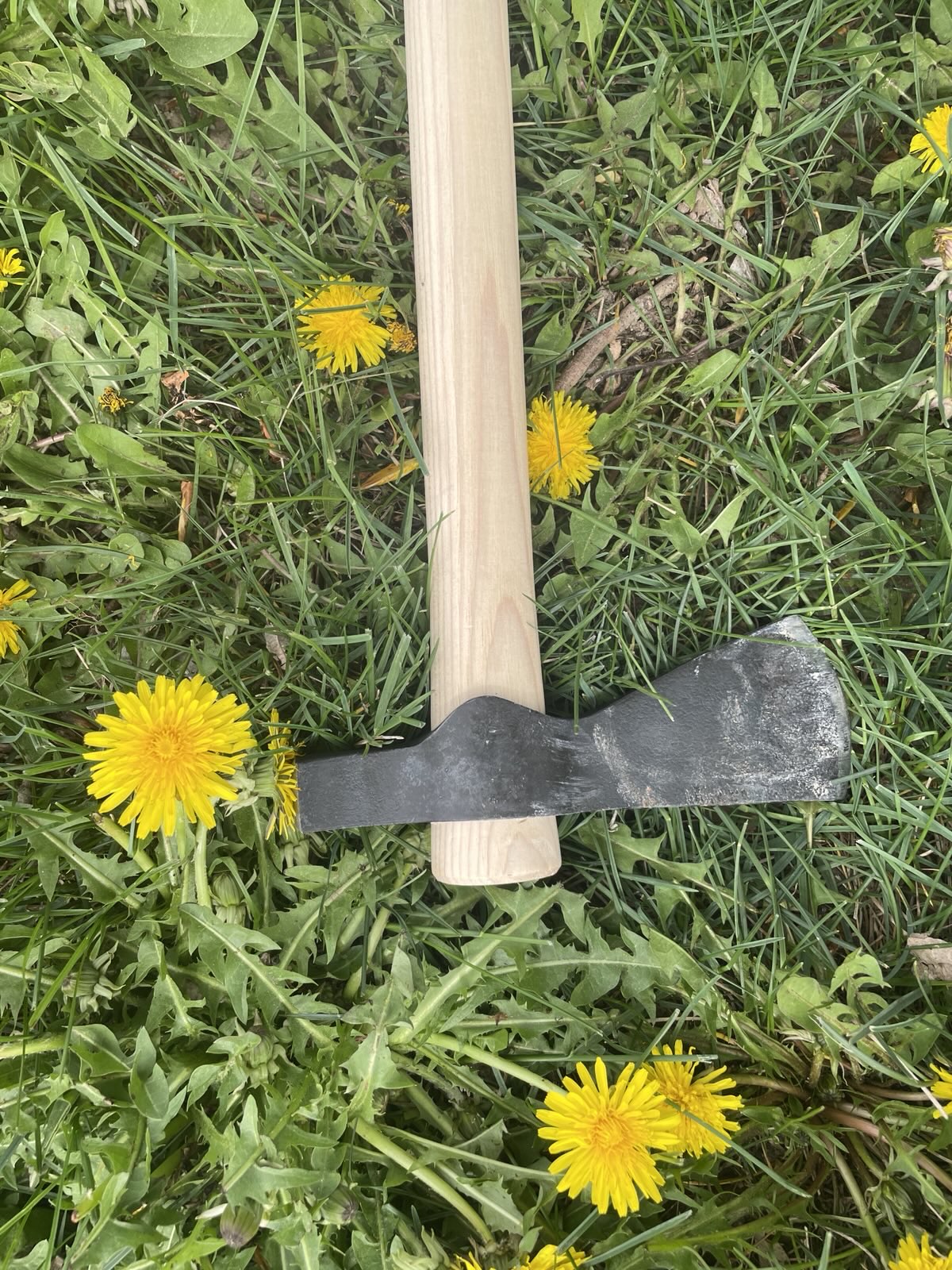
Hatchet
If you only own one axe, make it a hatchet. Small enough to strap to your backpack but powerful enough to split kindling or clear small brush, the hatchet is a true outdoors essential. It’s perfect for carving, trimming, and camp chores where a full-sized axe would be overkill.
Felling Axe
Built for taking down trees, the felling axe is all about power and precision. With a long handle and a razor-sharp bit, it’s designed to bite deep into the wood fibers with every swing. The thin blade allows efficient cuts across the grain, making it the go-to tool for anyone working in the forest.
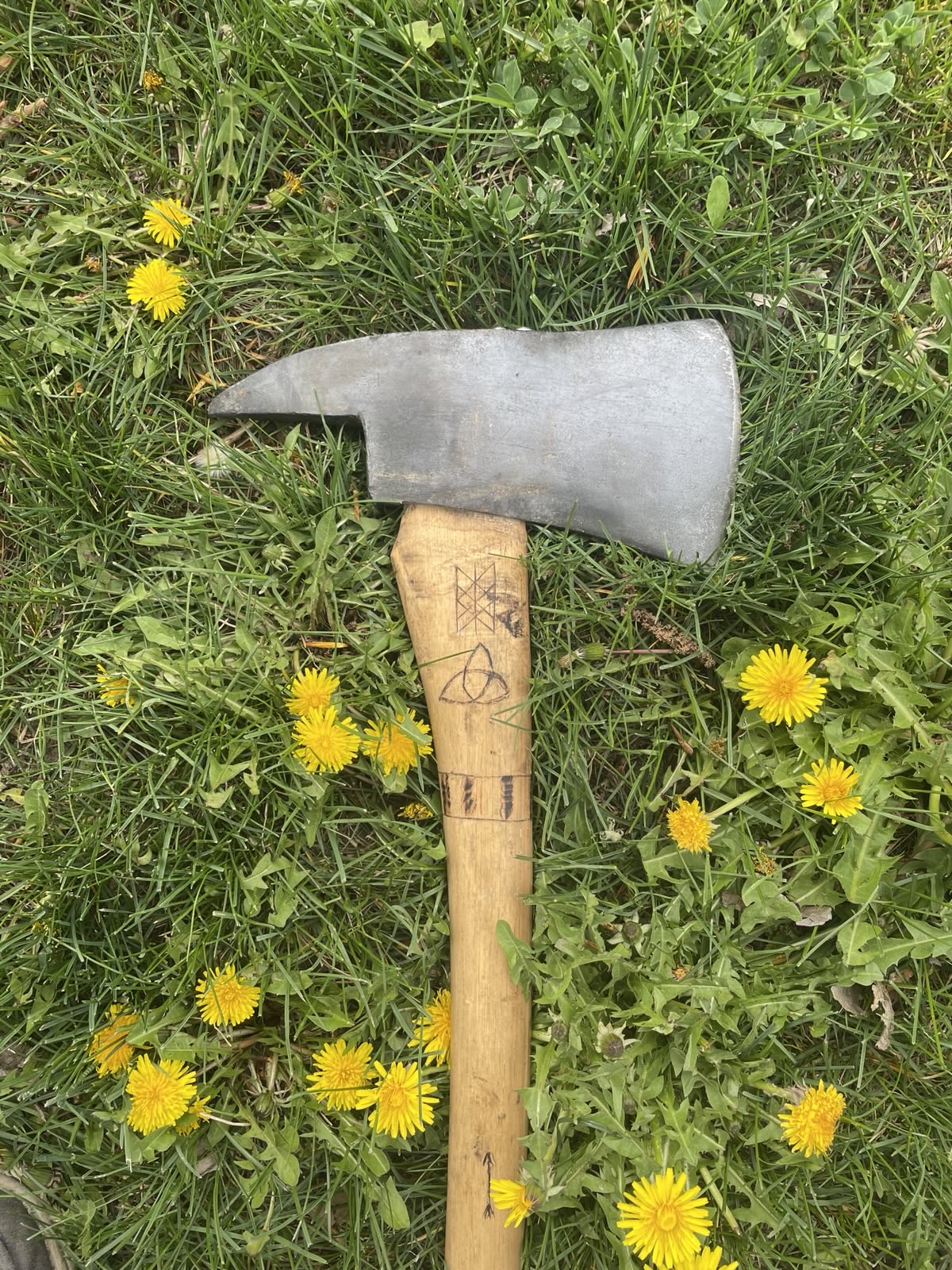
Pick Head Axe (Firemen’s Axe)
This axe is pretty iconic. The average person pictures a fireman breaking down doors when they see this axe. Opposite the cutting edge is a pointed pick, used for digging dirt lines, tearing through debris, or anchoring into rooftops. It’s built for rescue and brute-force work, not fine carving — but it earns its place through sheer utility.
Splitting Maul
Think of the splitting maul as the brute of the bunch. It’s heavier than a standard axe, with a thick wedge-shaped head that powers through logs rather than slicing them. When you’ve got a pile of firewood to split, this is the workhorse that’ll get it done without wearing you out.
Carpenter’s Axe
A carpenter’s axe looks refined because it is. It’s smaller than a felling axe but bigger than a hatchet, made for detailed work like shaping notches or fitting joints in timber. Many have a straight edge for clean cuts and a notch in the head for pulling nails — a true craftsman’s axe when precision matters.
Hudson Bay Axe
Developed by French traders in the 1600s, the Hudson Bay axe is a mid-sized tool made for travel and survival. It’s light enough to carry on long treks but still big enough to fell small trees or split wood. That balance of portability and power made it a favorite of trappers and explorers — and it still holds up today.
Throwing Axe
As the name suggests, this one’s all about flight and balance. Throwing axes are designed for accuracy, not chopping, with a weight distribution that lets them stick into a target with a satisfying "thunk." Whether you’re competing or just practicing for fun, throwing axes build strength, control, and a lot of confidence.
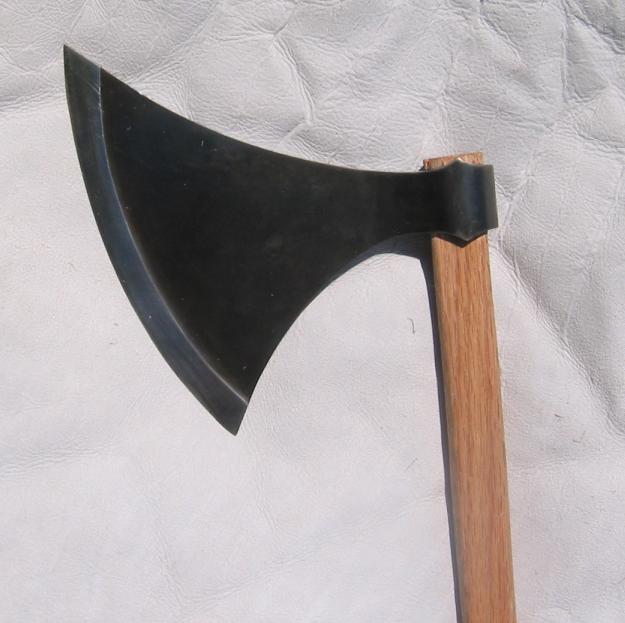
Viking Axe
Few tools carry as much history and character as the Viking axe. Designed for battle but also used for daily chores, these axes often had long, curved blades and extended handles for reach and leverage. Modern versions honor that heritage — they’re practical tools with the spirit of warriors who built, hunted, and defended their homes with the same blade.
Bushcraft Axe
If you spend time in the woods, the bushcraft axe becomes an extension of your arm. It’s smaller than a felling axe but has enough heft for serious work — from splitting kindling to carving tent stakes or building shelters. A good bushcraft axe is all about control and balance, allowing delicate carving or powerful swings without changing tools.
Tactical Axe
Born out of military design, the tactical axe blends durability, utility, and a bit of intimidation. Usually made with full-tang steel and composite handles, they’re built for breaching, rescue, or survival. They may look aggressive, but they’re incredibly practical — a single tool for chopping, prying, hammering, and even defense.
Forest Axe
The forest axe is what you grab when you’re heading into deep woods. It’s longer and heavier than a hatchet but lighter than a felling axe, giving it the reach and power to handle medium-sized trees and camp work. It’s the all-around woodsman’s tool — the one you’d take if you could only bring one axe into the backcountry.
Camping Axe
Compact and sturdy, the camping axe is made for life around the fire. It’s perfect for splitting kindling, hammering tent stakes, or trimming branches. Some models include hammer polls or built-in tools. It’s not about brute force — it’s about being prepared for every small job when you’re miles from anywhere.
Survival Axe
A survival axe is like your lifeline when the situation gets rough. It’s often a hybrid tool with built-in extras — saw blades, hammers, even fire starters hidden in the handle. You won’t use it for logging, but when you need one tool to build shelter, gather wood, and protect yourself, this is it.
Pack Axe
For backpackers and long-distance hikers, the pack axe is a lightweight version of a hatchet. It’s small enough to tuck away but strong enough to handle wood prep or clearing brush. It’s the minimalist’s choice — efficient, reliable, and ready when needed.
Ice Axe
Not every axe is for wood. The ice axe is a mountaineer’s best friend, designed for climbing and survival on icy slopes. It’s used for cutting footholds, self-arresting during a fall, or anchoring into ice. It’s a lifesaving tool in the cold — proof that “axe craft” isn’t just for forests.
Wrapping It Up
There’s an axe for every job, from felling timber to throwing at a target, from building cabins to surviving the wild. Whether you’re a craftsman, camper, or competitor, the right axe makes all the difference.
At Storm The Shores, we believe learning these tools isn’t just about utility — it’s about connecting with tradition, craftsmanship, and the outdoors. Grab your axe, join the next challenge, and let’s keep the old ways alive.